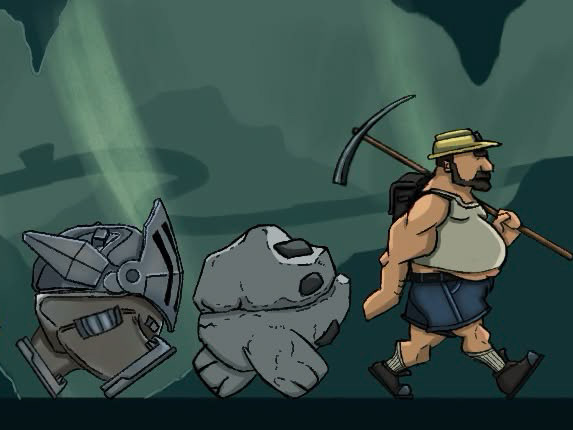
Set in a pirate-themed world, Cannon Cove follows the adventures of a rogue pirate. The story takes players through a daring heist involving a ship and a castle, leading to a capture and eventual escape with a treasure haul. Use cannons and traditional platformer movement to traverse the high seas and pirate fortresses.
Cannon Cove was a four-week solo project completed as part of my Game Technology course. The assignment challenged us to create a platformer that incorporated a unique gameplay mechanic with a meaningful impact on the experience. For this, I introduced cannons as a core mechanic, drawing inspiration from the Donkey Kong Country series. In my game, players control the trajectory of a cannon that launches their character, adding a dynamic element to navigation. Play it for yourself here
Level Design
My professor introduced an innovative approach for mapping out levels by using Excel or Google Sheets, where each cell represented a tile from the tile set. This method greatly streamlined the level design process, allowing for efficient layout creation. It also made it easier to incorporate environmental storytelling, as I could quickly visualize and adjust the placement of elements to enhance the game's narrative.
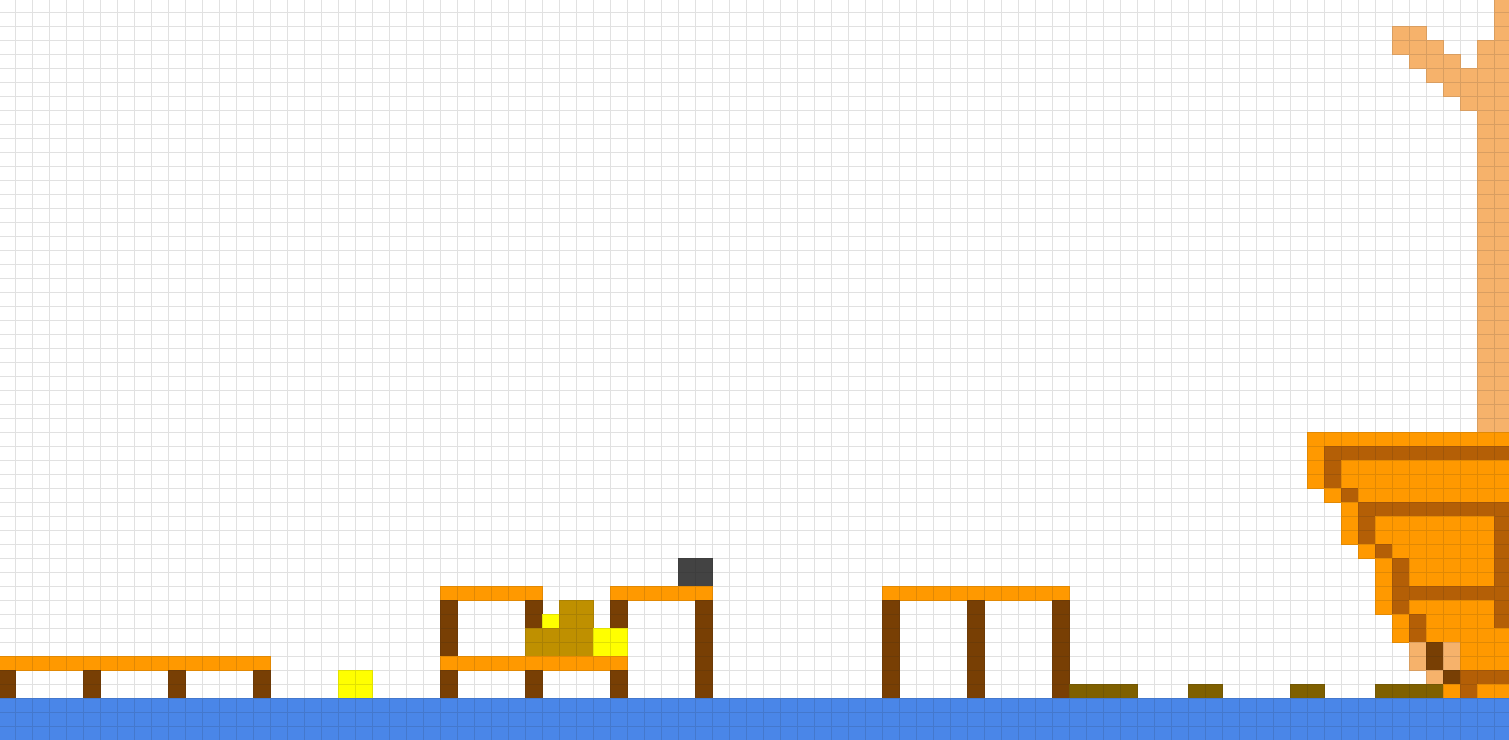
Level 1 Design

Level 2 Design
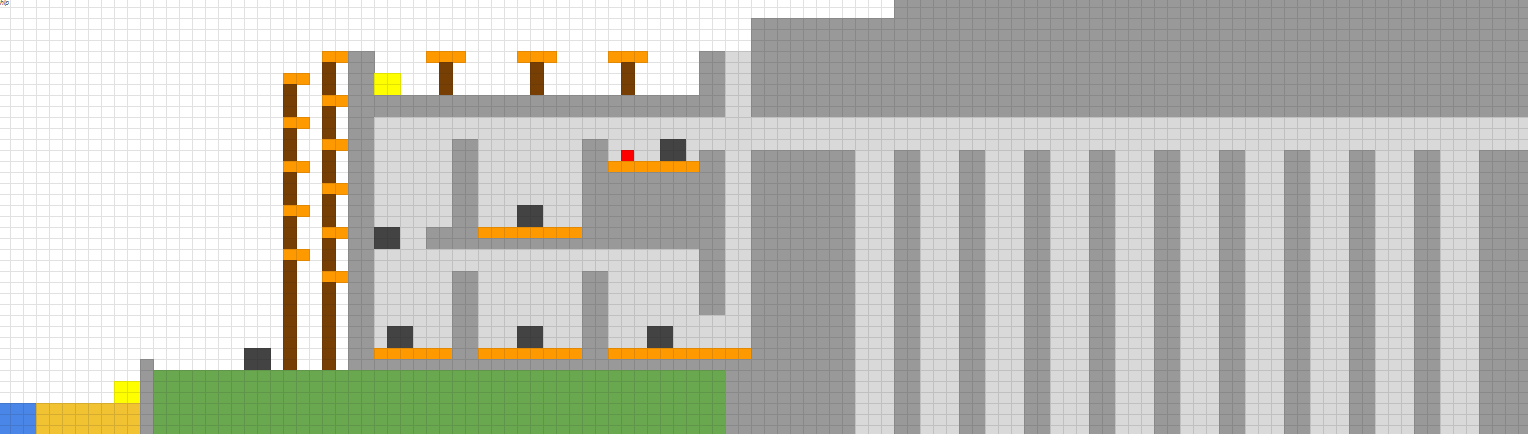
Level 3 Design
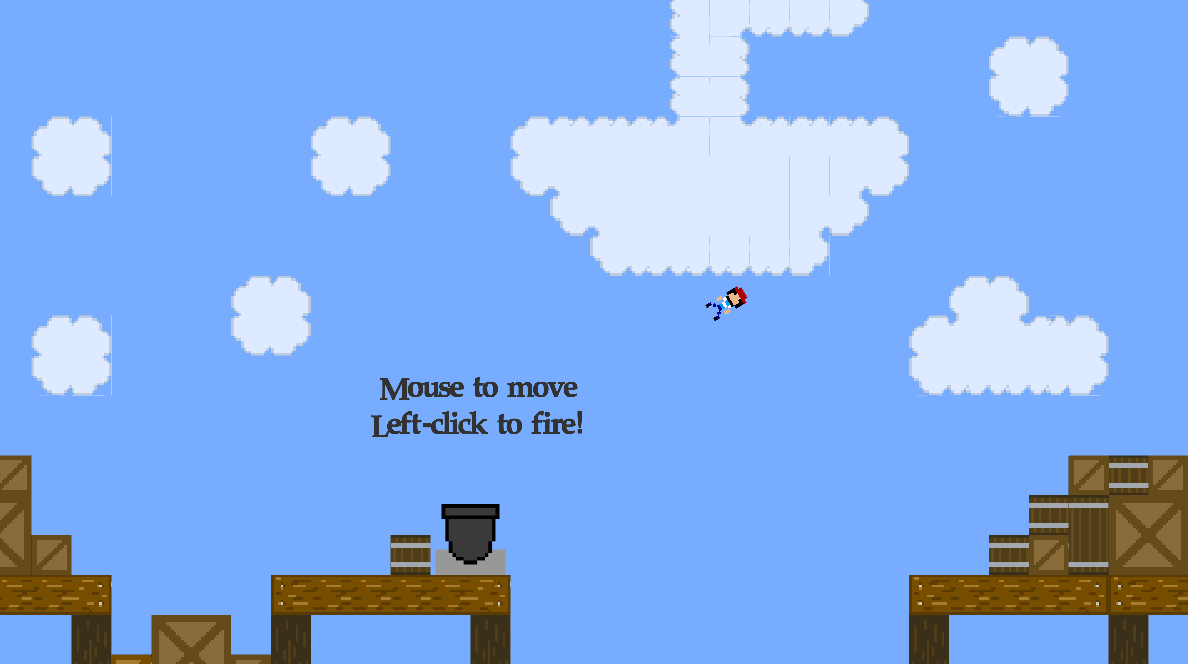
Level 1
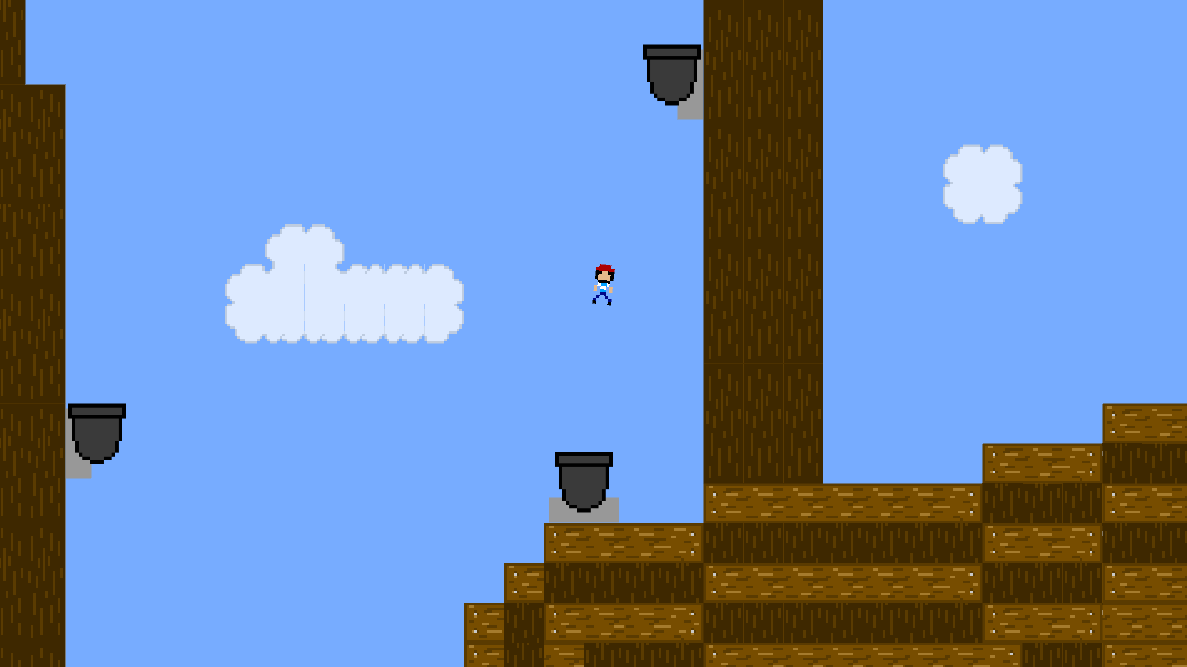
Level 2
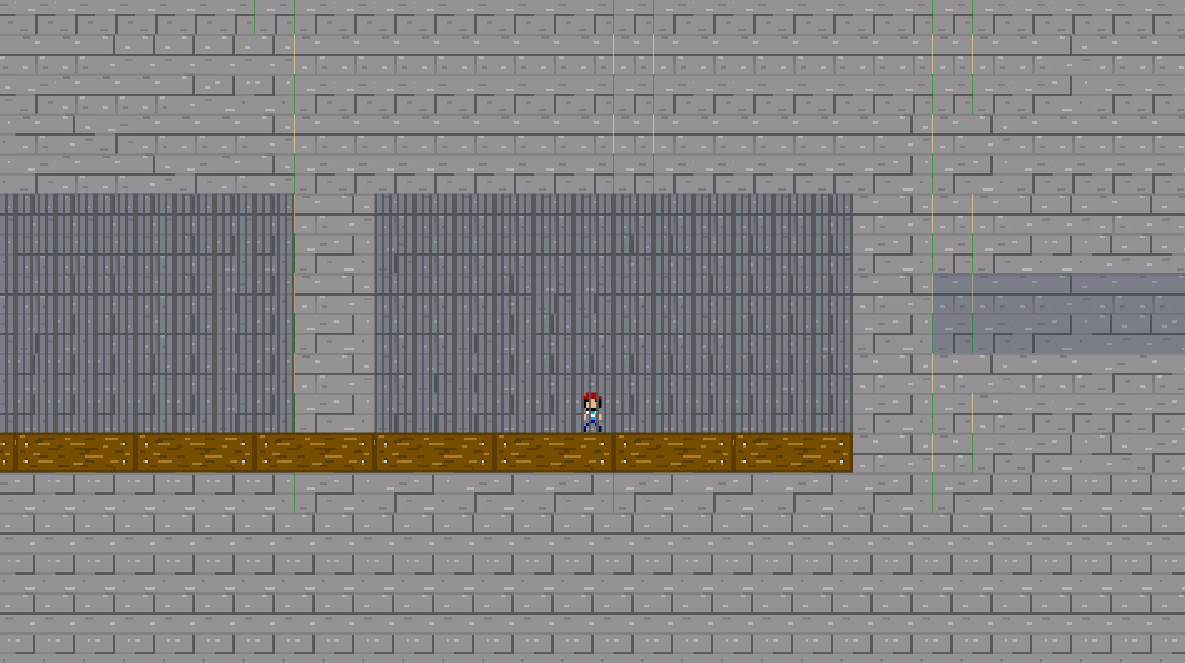
Level 5 Start
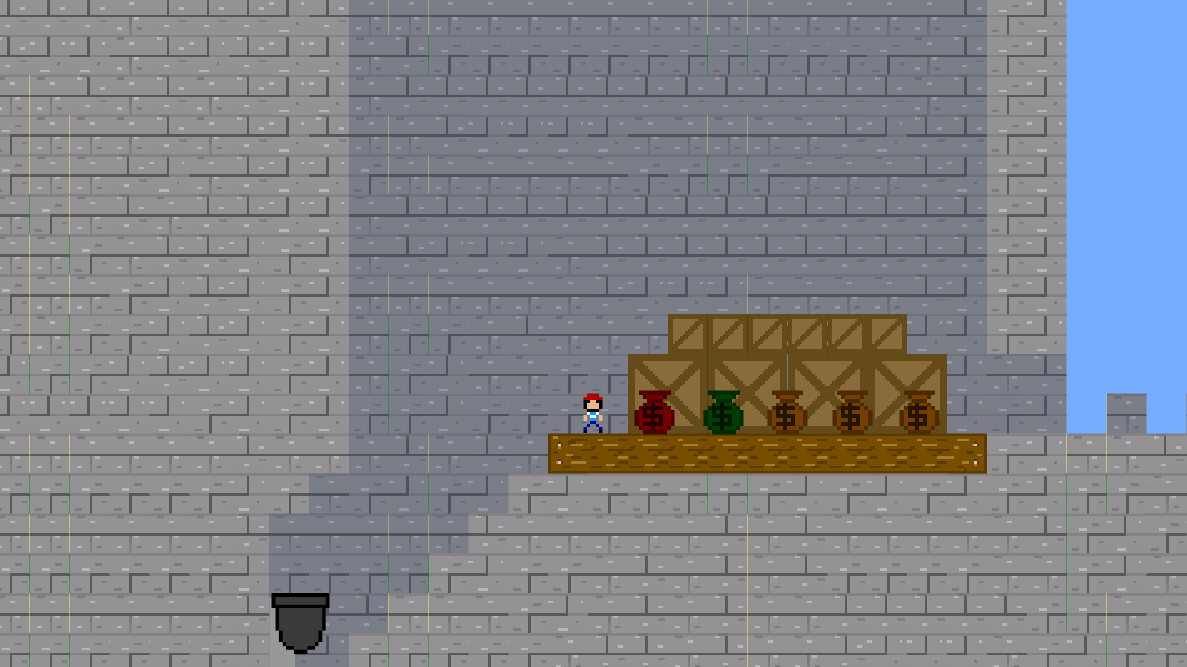
End of Game
Game Postmortem
During the development of this project, I encountered two major setbacks, both related to the Unity Tilesets. The first issue, which I was able to resolve, involved player collisions. At times, the player would get caught on the edges of tiles, but once I discovered the option to merge connected tiles, this problem was fixed, and performance improved as a result.
The second collision-related issue was more challenging to solve: the player could fall through the tiles. After some investigation, I identified that the problem stemmed from the collision detection system. I had to switch from discrete to continuous collision checks due to my use of the rigid body component for the player character, which resolved the issue.
A third, unresolved problem was the visual gaps between tiles. As shown in the screenshots below, you can see some artifacts where these gaps or lines appear. I couldn't pinpoint the exact cause, as Unity’s division tool for separating tiles is quite precise. Interestingly, not all tiles exhibit this issue; only certain ones have these visible gaps, which seem to stem from the interaction between tiles.